
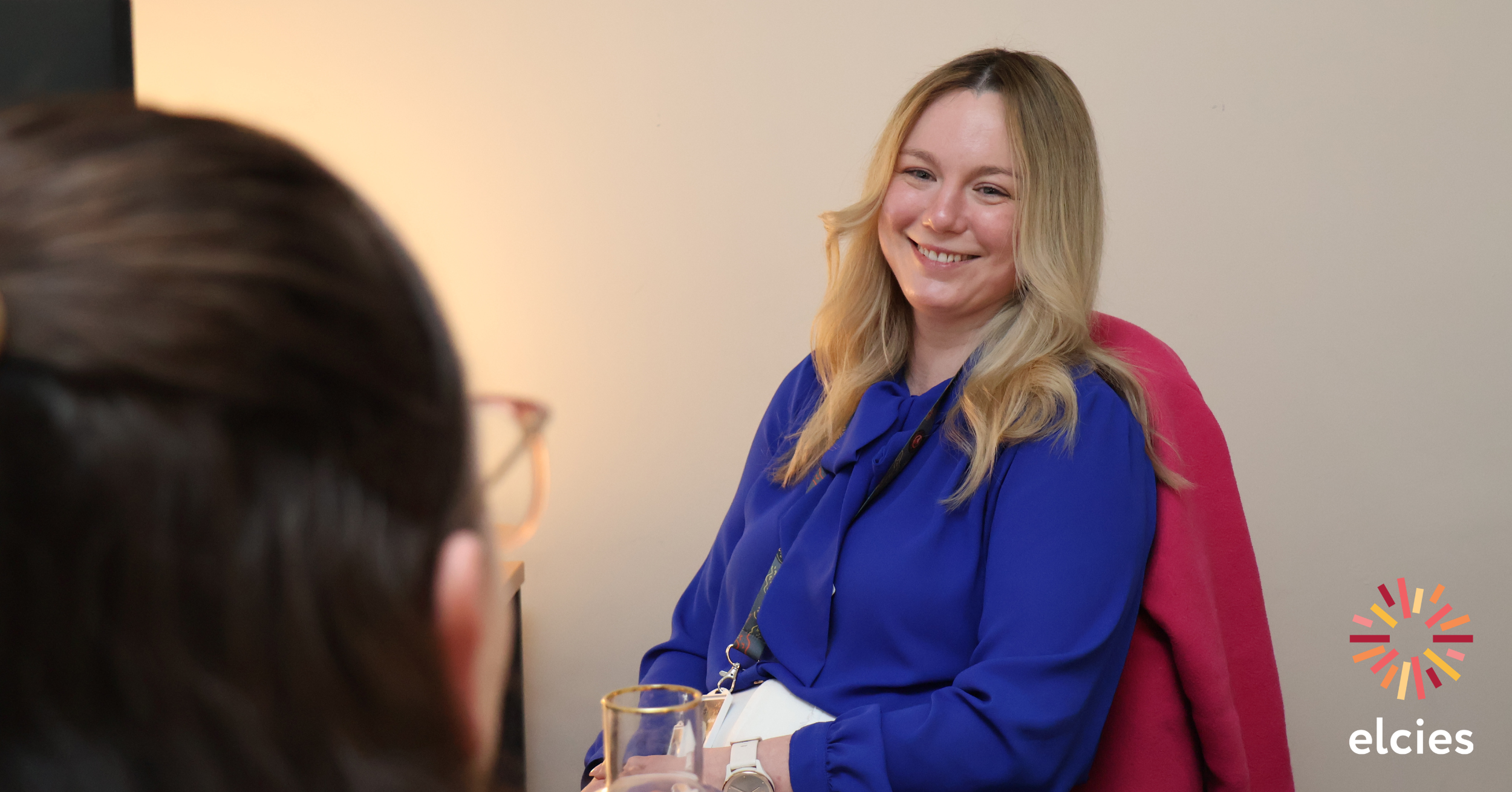
With a lifelong love of learning and a keen interest in applying research to practice, Jessica Howe finds joy in the challenges and rewards of leading a team dedicated to making the lives of others safer, better, and more fulfilling.
Jessica is Lutheran Care’s Clinical Lead for Positive Behaviour Support (PBS), an NDIS-registered service under Lutheran Care’s disability services branch, known as Elcies (named after Lutheran Care’s initials).
Joining Elcies / Lutheran Care earlier this year, Jessica brought with her a wealth of experience and academic credentials including a PhD in Clinical Psychology, a Bachelor of Behavioural Science (Honours); and registration as an NDIS Behaviour Support Practitioner (Advanced).
Prior to joining us, Jessica completed five years as a PBS practitioner and three as team leader, with 10 years working in disability overall. She also has psychology experience in inpatient eating disorder treatment, community mental health for youth, and assessment for children under the Department for Child Protection.
“Human rights, quality of life and person-centredness are at the core of my work,” Jessica explains.
“I aspire to deliver evidence-based Positive Behaviour Support towards positive outcomes for people. I recognise others’ strengths, and work alongside them to flourish.”
Jessica heads up our team of around a dozen PBS practitioners who provide PBS services in the metro Adelaide and Barossa Valley regions. She describes them as, “a wonderful, large group who are committed to helping others to change their lives.” Jessica’s role includes developing team training, providing supervision, and supplying supporting evidence to help staff deliver the highest quality support to their clients.
Positive Behaviour Support is a rights-based, strengths-focused framework to support autonomy and connection. It focuses on collaborating with clients and their care teams to meet the person’s needs, respect their dignity and make sure they have a better quality of life.
PBS involves:
- Understanding the reasons behind behaviours of concern
- Implementing strategies that address these reasons
- Collaborating with clients, their family, carers, and support workers
- Developing a behaviour support plan that meets client needs and improves their quality of life.
In a nutshell, PBS aims to help people live more independently and take part in the aspects of life that matter to them, while creating safer environments for both clients and the wider community.
Never one to rest on her laurels when it comes to gaining knowledge and new skills, Jessica is currently developing her clinical skills in psychology, with a focus on adapting treatment modalities such as Cognitive Behavioural Therapy (CBT) and Dialectical Behavior Therapy (DBT) for use in neurodivergent populations. She is also learning Latin American Spanish (ask her about her impressive Duo Lingo streak!)
As a Clinical Lead, maintaining a healthy work-life balance is essential. Jessica enjoys spending time with her family, camping, and pursuing her passion for scuba diving.
“I’m an advanced open water scuba diver… I find it so peaceful in the water!” she says.
Almost every day is different and challenging, but rewarding, for both our PBS team, and those they support.
Having recently expanded the team, we now have immediate openings for new clients wishing to access PBS.
Ready to get in touch?
To find out more about our service click here, or email elcies@lutherancare.org.au